





From being the 'science of life', Ayurveda has become the 'slice of life' for many with the advent and positive growth of rejuvenation centres and Ayurvedic resorts in the country.
People are willing to experience a 'healthier' side to an otherwise indulgent holiday by touring healing resorts as an escape from the mundane, hectic everyday existence. These resorts located at the outskirts of the cityscape over sprawling and pristine forests lure tourists into its peaceful and quiet edifices.
Let's discover and learn about some of the best Ayurveda resorts India has:

1. Somatheeram Ayurveda Resort, Kerala:
Nestled on a hillock a few kilometres south of the Kovalam beach is the world's first Ayurvedic resort Somatheeram. Spread across a wide expanse of greenery, Kerala prides in Somatheeram as a getaway destination for those in search of an Ayurvedic haven away from the cacophony of city life. Established in 1985, Somatheeram has emerged as one of the frontrunners in encouraging a culture of Ayurvedic holidays and meditation tours among travel enthusiasts. The serenity of the resort by the sea, goodness of traditional Ayurvedic therapies and a healthy diet routine help people unwind here.
Acute health conditions of paralysis, fluctuating levels of blood pressure, arthritis, high cholesterol and breathing problems are first examined by a team of yoga experts and doctors after which a series of corresponding healing exercises and diet regime ensue.
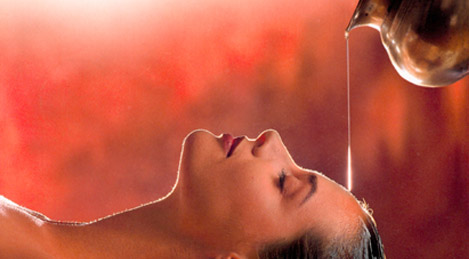
Massage therapies: The massages here at Somatheeram serve more than a short-term purpose; the sessions are extensive and extend till days. 'Pizhichil' for instance is a special massage that uses a variety of herbal oils (lukewarm) and has been effective in curing diseases like paralysis and nervous disorders. Every session lasts 60-90 minutes over a span of 7-21 days. People with diabetes and obesity can go for the Ayurvedic 'Abhyangam' treatment which is again a type of oil massage for 45 minutes a day. 'Nasyam', 'Snehapanam' and 'Kizhi' are among the many treatments that have been proven medically capable of battling severe skin diseases, leukemia and sports injuries.
Yoga classes and boat tours in the backwaters too are included in Ayurveda packages at Somatheeram.
Where: Somatheeram Ayurveda Resort, South of Kovalam, Thiruvananthapuram. About 21 kms from International Airport at Thiruvananthapuram and about 9 kms south of the famous Kovalam beach.
2. Ananda in the Himalayas, Uttarakhand:
As the name suggests, the experience too replicates a blissful journey amid the towering and guarding Himalayas. Ananda focuses on an interesting and fruitful blend of Ayurveda and Aromatherapy with contemporary spa technology for complete wellness of the human body. Located 260 kms north of New Delhi, Ananda stands tall around Maharaja's palace estate with the views of the Ganges on one side and the mountain peaks on the other pleasing the tourist's eyes, mind and spirit upon waking up every morning. Yoga pavilions, landscaped gardens, terraces facing a clear sky, spas equipped with hydrotherapy services, a golf course on its Himalayan axle and Rejuvenation Cuisine are some of the many distinguishing features of the resort you can indulge in.
Ayurveda, yoga and meditation: European and Thai treatments are employed in the spa boutiques here at Ananda. The Viceregal Hall is the quaint hillside garden that doubles as a refuge post an exhaustive yoga session. Marvel at the breathtaking panorama as you sip on the Himalayan tea. For couples, the Kama Suite with steam shower and exclusive massage facilities can surely add a sensual flavour to the Ayurveda tour. The Ayurvedic treatments are fashioned according to the Himalayan conditions. Use of less oil, slow and synchronised massages and regulation of a nutritious diet go into the making of customised treatments for guests under the supervision of physicians and therapists. An aftercare programme is planned for the benefit of the client at the last leg of the Ayurveda trip.
Where: The Palace Estate, Narendra Nagar, Dist. Tehri-Garhwal, Uttarakhand
Air: A 45-minute flight from New Delhi to Dehradun Jolly Grant airport followed by a one-hour drive.
Train: A four-hour journey from New Delhi to Haridwar railway station followed by a one-hour drive.
Road: The driving time between New Delhi and Narendra Nagar is approximately five and a half hours.

3. Devaaya, The Ayurveda and Nature Cure Centre, Goa:
Ayurveda, yoga and meditation: European and Thai treatments are employed in the spa boutiques here at Ananda. The Viceregal Hall is the quaint hillside garden that doubles as a refuge post an exhaustive yoga session. Marvel at the breathtaking panorama as you sip on the Himalayan tea. For couples, the Kama Suite with steam shower and exclusive massage facilities can surely add a sensual flavour to the Ayurveda tour. The Ayurvedic treatments are fashioned according to the Himalayan conditions. Use of less oil, slow and synchronised massages and regulation of a nutritious diet go into the making of customised treatments for guests under the supervision of physicians and therapists. An aftercare programme is planned for the benefit of the client at the last leg of the Ayurveda trip.
Where: The Palace Estate, Narendra Nagar, Dist. Tehri-Garhwal, Uttarakhand
Air: A 45-minute flight from New Delhi to Dehradun Jolly Grant airport followed by a one-hour drive.
Train: A four-hour journey from New Delhi to Haridwar railway station followed by a one-hour drive.
Road: The driving time between New Delhi and Narendra Nagar is approximately five and a half hours.
If beaches and nightlife are the first things that come to mind upon hearing Goa, then probably it's time to widen your horizon. As much as it is a 'party' destination, Goa as a city has carved an identity that appreciates art, culture and holistic living. And speaking of holistic living, the city has emerged as one of the potential tourist spots on the map of Ayurveda tourism in India. Coconut palms swinging to the rhythm of the breeze and the Mandovi River flowing alongside one of the islands in Goa complete the scenery at Devaaya Ayurveda Centre in Goa. Naturopathy becomes a way of life at this Ayurvedic paradise that brings together the essential elements of 'Panchakarma' treatments with yoga, meditation, music, lifestyle correction, diet planning and medicines for tourists. The centre has been designed on the science of 'Vaastu Shastra' that adds to the harmony of the overall rejuvenation process.
Where: Devaaya - Ayurveda & Nature Cure Centre, Divar Island, Goa
4. Kairali Ayurvedic Health Village, Kerala:
Where: Devaaya - Ayurveda & Nature Cure Centre, Divar Island, Goa
4. Kairali Ayurvedic Health Village, Kerala:
The captivating beauty of the Western Ghats and the rich flora define the picturesque town of Palakkad in Kerala which is home to the Kairali Ayurvedic Health Resort. Ram Mohan, Vice President of the Resort is proud to declare how the Ayurveda village has travelled miles over the recent years, "Today, we have over 20 centres abroad apart from the 25 centres across India." Ask him about the future of Ayurveda tourism in India and he has his reservations, "The Indian mindset is still not ready to embrace the culture of Ayurveda in a manner that the European market has possibly built an industry around. Patience is a virtue we have still not mastered the art of. It is believed that Ayurveda is an expensive affair but so is allopathy. If we are willing to shed a fortune on a bypass surgery then why not spend half the money on a recreational therapy that will guarantee the elimination of the ailment from its root?", asks Ram. The system of Ayurveda he asserts is "not superficial but comes with permanent and effective results."

Agrees Niika Quistgard, Founder and Director Rasa Ayurveda Traditional Healing Centre for Women, Kerala and says, "People are often dissatisfied with allopathic medicines and are wary of the side-effects of drugs; natural alternatives and organic methods of healing are the preferred options. At Rasa Ayurveda we offer free consultation and treatment to women. All remedies are derived from herbal plants, a tradition that dates back to the era of our grandmothers," adds Niika.
5. The Leela, Udaipur:
5. The Leela, Udaipur:
The city of lakes and palaces, The Leela's ESPA Spa is yet another hot spot for Ayurvedic retreat. The 'haveli' style architecture of spas, tents done up in shades of royalty and opulence and the welcoming gardens contribute to the development of a relaxed mind and soul of the human body. Tricia Bannister, Group Spa Manager, says, "Our clientele has grown from in-house guests to both in-house and local guests requesting for a wellness experience set amidst the cultural heritage of Rajasthan." From hot stone massages, facials, yoga and meditation, The Leela also features private yoga studio for visitors. On being asked if Ayurveda treatment is a rich man's pastime Bannister replies, "There is a range of Ayurvedic resorts available for spa travellers, from more relaxed, to 5-star properties. Ayurveda tourism is growing dramatically in India; both for pure Ayurvedic treatments as well as Ayurvedic-inspired experiences. Travellers from all income-levels are curious to experience new wellness treatments," adds Tricia.

Where: The Leela Palace, Lake Pichola, Udaipur
Others worth a note
- Keraleeyam Ayurvedic Resort, Alleppey, Kerala
- Mamoos Place, Goa
- Ashok Country Resort, New Delhi
- Sunrise Health Resort, Jaipur, Rajasthan


